
International Thematic Working Groups
As part of its strategic initiatives, and acting upon recommendations from delegates of prior Congresses, the World Potato Congress has established a structured platform for ongoing collaboration on key topics during and between Congresses. This platform is designed to deepen WPC’s impact in mission-aligned areas and to connect stakeholders around shared priorities. Building on these discussions, beginning with the Kenya Congress, the day prior to each Congress will be dedicated to focused dialogue through International Potato Thematic Working Groups. Beginning at the Congress in October, these groups will be formalized with opportunities for membership and participation via a SharePoint platform, enabling global collaboration on education, information sharing and project work.
These groups include Global Potato Sustainability, International Marketing, International Research, Aeroponics and Apical Root Cuttings.
International Potato Marketing Group
Connecting Ideas. Inspiring Growth. Elevating Potatoes Worldwide

Georgia Thomas
Senior Project Manager
Western Australia Potatoes

Greg Donald
General Manager
PEI Potato Board

Blair Richardson
CEO
Potatoes USA
The International Potato Marketing Group , hosted by the World Potato Congress, invites you to join fellow marketing professionals, researchers, and industry leaders from across the globe to share ideas and strategies to grow the consumption of potatoes worldwide at this interactive workshop.
Participation is open to all with a shared passion for the potato industry. Together, we’ll explore opportunities to elevate the position of potatoes for the future through knowledge exchange, research insights, and collaboration.
Knowledge Sharing: Discuss trends, challenges, and opportunities shaping global potato demand and proven strategies that inspire growth.
Research Insights: Learn about the latest potato nutrition studies and global trends .
Global Campaign Collaboration: Partner on international efforts – such as the International Day of Potato – to amplify visibility and impact.
Resource Exchange: Find out about plans to access and contribute to shared marketing tools, creative assets, and educational resources.
Sustainability Leadership: Promote responsible practices and communicate potatoes’ role in a resilient food system.
The conversation will continue well beyond the World Potato Congress in Kenya, with plans underway for virtual meetings and ongoing collaboration.
Whether you represent an established market or an emerging one, the International Potato Marketing Group offers a global platform to exchange ideas, build partnerships, and champion potatoes as a universally loved and nutritious food.
Join us in shaping the future of potato marketing—together, we can grow the world’s appetite for potatoes.
Rooted Apical Cuttings (RAC)

Monica Parker
Former Senior Scientist
CIP
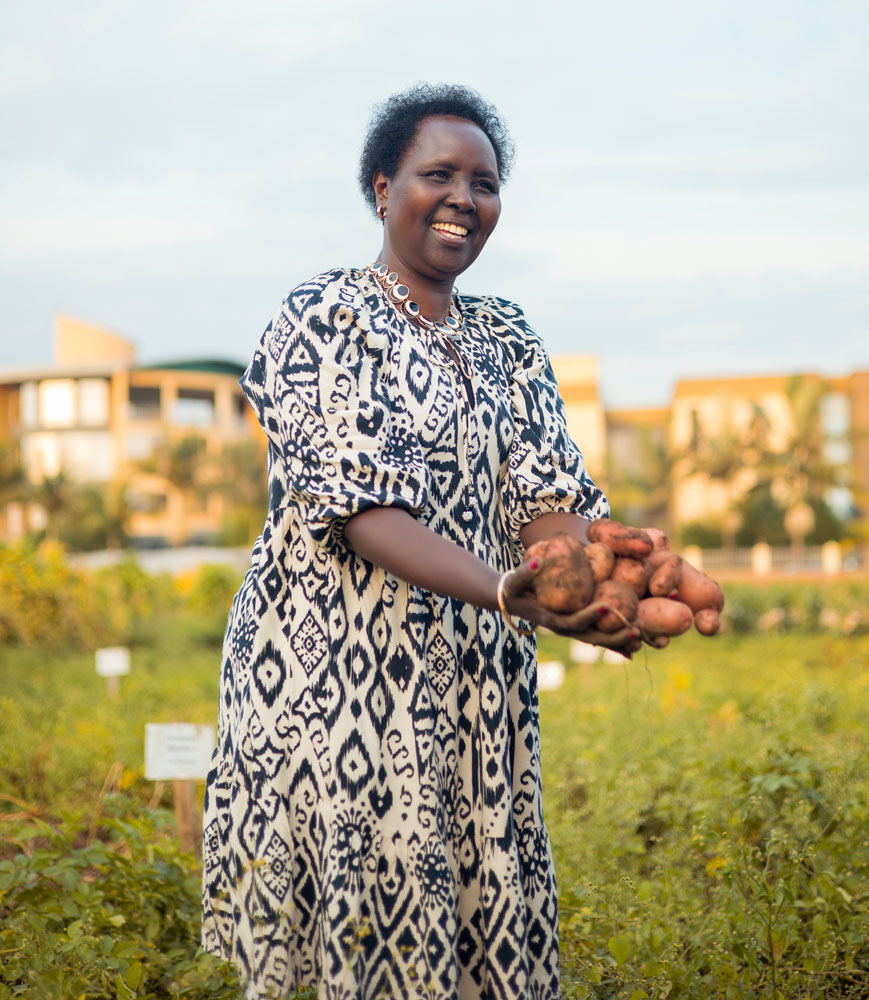
Dinah J. Borus
National Potato Council of Kenya
Derek Roulston
Director
Africa Potato Initiative (API)

Julio Kalazich
Vice President
Latin American Potato Association (ALAP)
Rooted Apical Cuttings (RAC) represent an efficient and significant method for producing early-generation seed potatoes in many countries across Africa and Asia. In some cases, this technique is even used directly for market production, combined with on-farm seed saving.
RAC has been featured in numerous presentations—both verbal and poster—at recent World Potato Congress events. However, there are still many questions surrounding RAC: its mechanisms, how the technology can be improved, and the influences of genetics, daylength, temperature, and source of planting material, among others.
Monday, October 25, 2026, will bring the key global players on this topic together to discuss the issues that are of common interest and concern in apical cuttings systems. The planning for this workshop is in its early stages but is expected to include Keynote speakers of differing profiles who will present their successes, interactive sessions with the participants and a local tour to a large-scale producer of apical cuttings in Kenya.
International Potato Research Collaborative Framework (IPRCF)
Dr. Nigel Crump
General Manager and Principal Plant Pathologist
Australian Seed Potato Industry
Certification Authority (AuSPICA)

Silke Steinmöller
Senior Scientist
Julius Kühn-Institut (JKI)
Federal Research Centre for Cultivated Plants, Germany

Alison Lees
Senior Potato Pathologist
Head of the Dept of Cell & Molecular Sciences
The James Hutton Institute, Dundee, Scotland, UK
The International Potato Research Collaborative Framework (IPRCF) is a partnership initiated by leading potato research countries in response to evolving global challenges—especially those related to the UN Sustainable Development Goals and the Paris Agreement on climate change. The framework provides a formal structure for international collaboration, aiming to increase research productivity, address production constraints, and promote sustainable practices. The partnership recognizes the urgent need for joint action to improve food security, environmental sustainability, and resilience in the face of climate variability, resource constraints, and biosecurity threats.
• Each institution or individual retains full independence in their research agenda but is encouraged to freely share insights, data, and experiences.
• Partners are committed to aligning research priorities, co-developing solutions, and fostering scientific exchange.
To convene together dedicated research events both on-line and in person at every WPC Congress (next in Kenya, 2026), bringing together key researchers and stakeholders to discuss collaborative opportunities, challenges, and successes. To address the following key issues but not limited to:
• Collation and Alignment of National Research Priorities: Share and compare research goals to identify common challenges and opportunities for joint action.
• Collaborative Research Programs: Develop and implement transnational research projects, including student and postdoctoral exchanges, to accelerate innovation and avoid duplication.
• Sustainability and Biosecurity: Establish a global network for sharing biosecurity information (e.g., on emerging pests/diseases), and align on best practices for soil health, crop protection, and sustainable production.
• Scientific Exchange and Capacity Building: Foster scientific exchange, knowledge transfer, and capacity building through joint workshops, webinars, and digital platforms.
Monday, October 25, 2026, will bring the key global players on this topic together to discuss the issues that are of common interest in potato research. The planning for this workshop is in its early stages but is expected to include opportunities for collaboration on research during and between Congresses.
Aeroponics
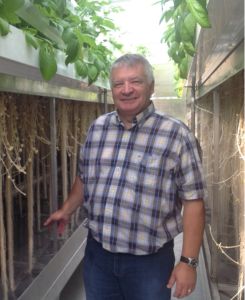
Andre La Chance
Maxi-Plant Inc

Santosh Tiwari
Senior Principal Scientist
PepsiCo Inc.

Dr. Peter VanderZaag
President
World Potato Inc.
Aeroponics represent an efficient and significant method for producing early-generation seed potatoes. Aeroponics has been featured in numerous presentations—both verbal and poster—at recent World Potato Congress events. A successful workshop was held in Chengdu in 2015 and a webinar of the 4 aeroponics operations was presented in 2024.However, there are still many challenges faced by the doers of Aeroponics. What are some of the key issues faced and how can these be resolved? A questionnaire will be prepared and sent to aeroponics businesses around the world to ask what are the challenges faced and what are the research priorities. The results will be solicited by early 2026 from which an agenda will be prepared for the Thematic workshop in Kenya.
Global Potato Sustainability (GPS)

John Mesko
President and CEO
Potato Sustainability Alliance
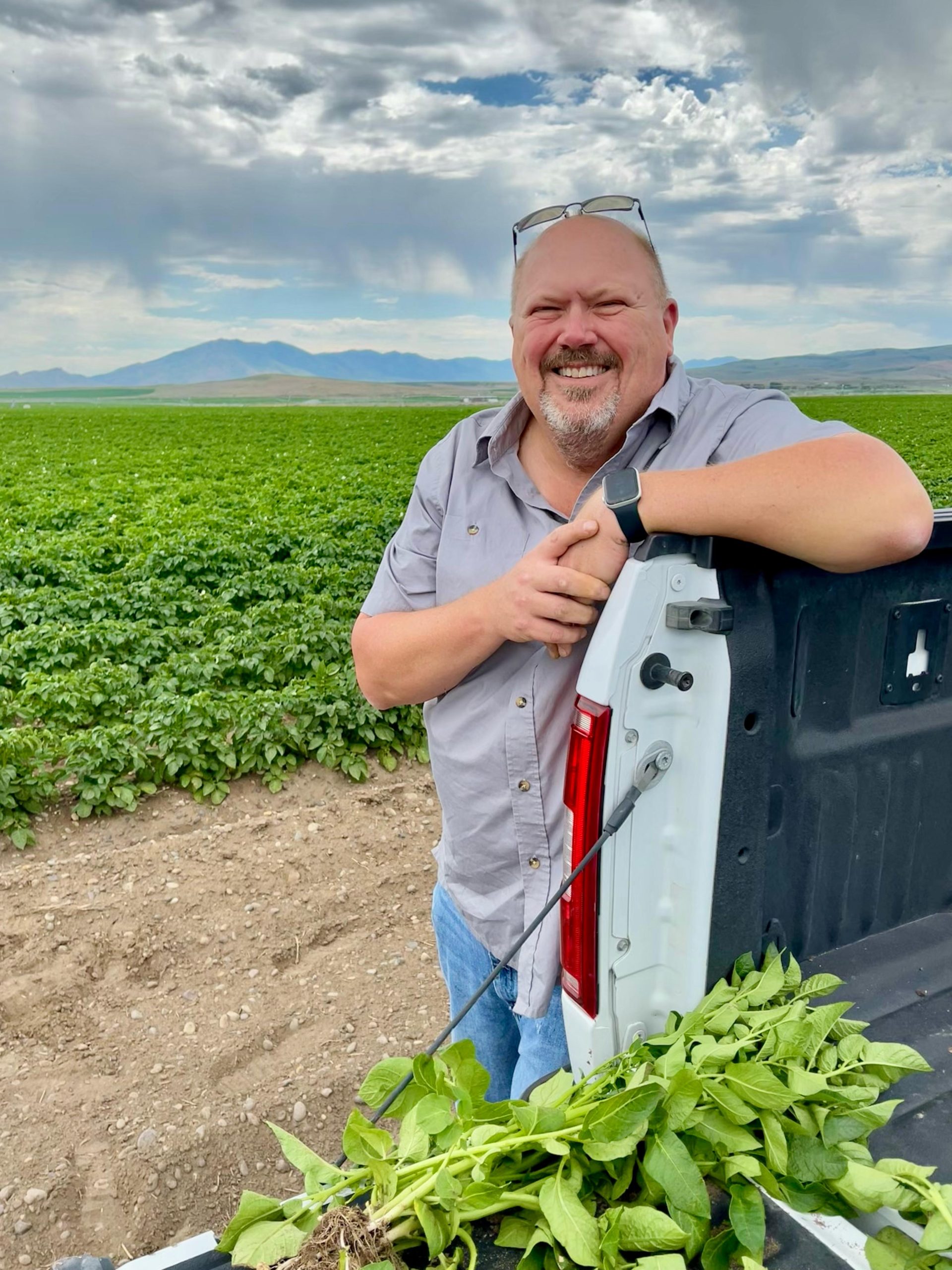
Chad Hutchinson
Global Director of Potato Research
and Market Support
TriCal Group
As a staple crop with significant nutritional value, potatoes play a vital role in global food security. Yet, it also faces challenges related to climate change, soil health, and water management. Additionally, global food brands and consumers are interested in potato production practices and their impacts on the environment, farmer livelihoods, and rural communities. By fostering a worldwide conversation, we can share knowledge and strategies to address these issues effectively.
A global dialogue is essential because the challenges and solutions related to potato sustainability vary significantly across regions. Different climates, soils, and cultural practices mean that a one-size-fits-all approach won’t work. By collaborating on a global scale, we can tailor sustainable practices to fit local contexts, ensuring they are both practical and impactful. This collaboration can lead to innovative solutions that might not emerge within isolated efforts.
Engaging in a global conversation allows us to harness the power of collective action. By bringing together diverse perspectives and expertise, we can accelerate the pace of innovation and implementation of sustainable practices. This unified approach not only strengthens the potato sector but also sets a precedent for other crops and industries to follow suit on the path to sustainability.
Purpose and Actionables:
• Open the door for global and regional networking, via the in-person workshop session at the World Potato Congress in Kenya in 2026.
• Connect with agricultural experts to understand regional challenges and solutions.
• Join international discussions to share insights and learn from others.
• Learn about initiatives in other regions and prepare to be a thought leader in your region going forward.
• Share global sustainability challenges and practices to fit local agricultural and cultural contexts.