
News

A world of opportunities at the World Potato Congress

|
|||||||
|
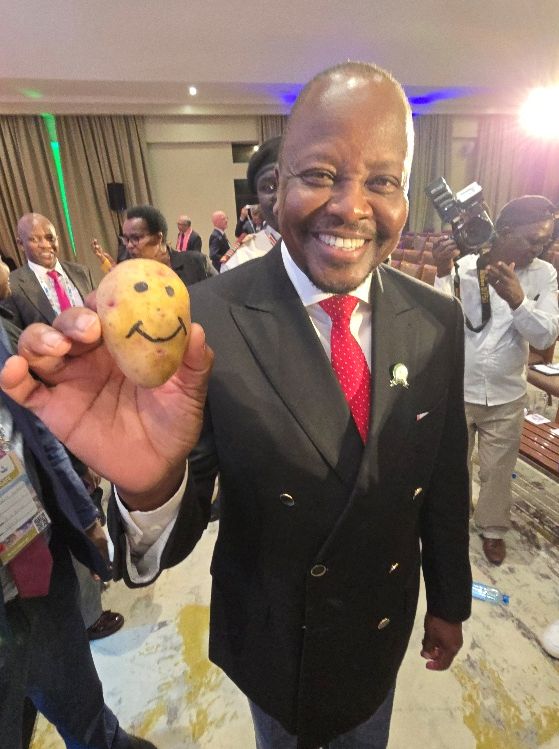
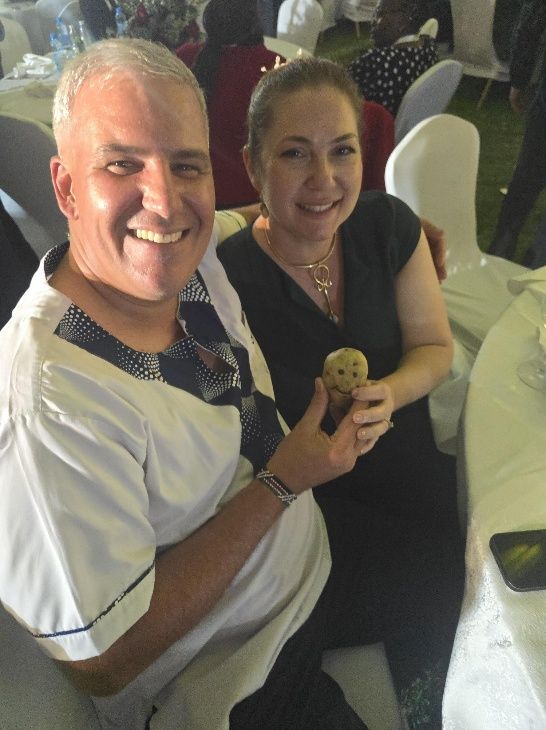
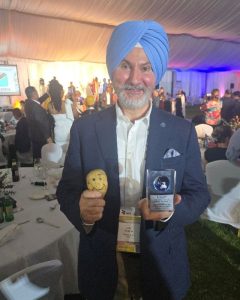
Africa offers lots of opportunities for the global potato industry, Kenya’s Minister of Agriculture, Mutahi Kagwe, told delegates to the 13th World Potato Congress held in the country. Pictured with World Potato Market’s Spuddy Buddy.
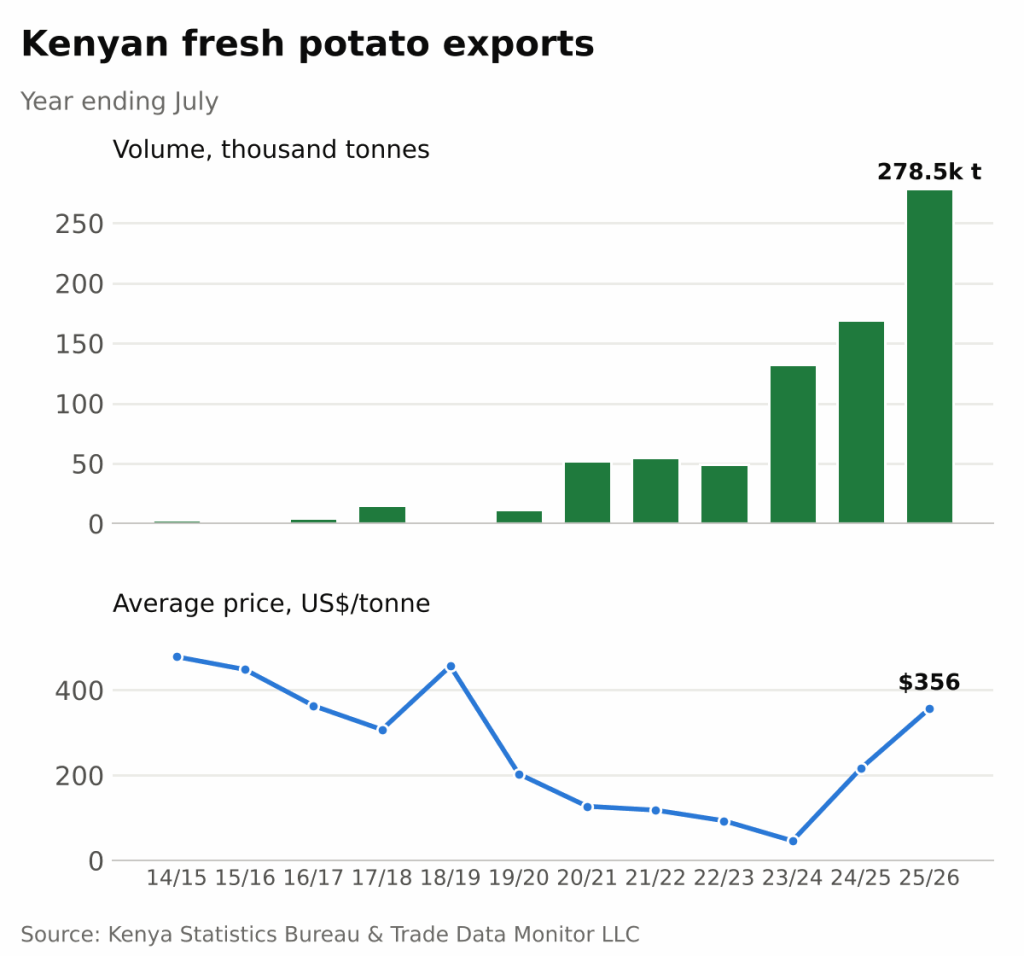
“There are 800 000 potato growers in Kenya who are producing the second largest crop after corn or maize and the need for the food they grow is greater than ever,” he told the Congress. The Congress hosted 800 delegates from more than 70 countries, including 25 from within Africa. One delegation made a three-day across land journey from war-torn Yemen in the Middle East to be at the venue at Lake Naivasha, 100 kilometres north-west of Kenya’s capital Nairobi. Expanding on the congress theme of “Global Potato Partnership for Enhanced Food Systems, Nutrition Security and Trade” Minister Kagwe said: “Food security is the most important part of national security. Ahead of fuel or energy security, without food a country cannot survive, so it is the government’s top priority.” Kenya’s population is 59 million and is growing at a rate of 1.9% a year. About a third of the population lives in cities and towns and that rate is growing by up to 3.7% a year, according to the World Bank. More than a quarter of the population lives in Nairobi. For the whole of Africa, there is a 2.3% population growth rate, with an urbanisation rate of 3.5% a year and more than 40% already living in towns and cities. Welcoming delegates, Wachira Kaguongo, the chief executive of the National Potato Council of Kenya and local congress chair, said that the Congress was ideal opportunity for potato professionals from around the world to discuss common challenges and opportunities, with the Council’s chair Richard Rugendo of Kevian Seeds adding that getting a reliable source of high quality seed to help improve yields was a major aim for Kenya and Africa. Picking up on that theme, global congress president Peter Vanderzaag explained that potatoes only took hold in Africa in the early 1900s but have since then become a major food and source of income for millions of smaller farmers. However, there is still much to do with 250 million Africans living in food poverty. Food securityPicking up on the theme of food security, Simon Heck, director general of the International Potato Centre (CIP), said that global agricultural output has slowed since 2010, with productivity gains the smallest since the 1970s. “The potato sector in Africa is dealing with similar constraints, with lack of access to quality, clean seed, a lack of adapted varieties and limited mechanisation. In addition, there is increased stress on crops from climate change and a lack of investment.” CIP has an African centre based in Kenya with offices in key countries throughout the continent. However, it has suffered from a lack of investment in recent years as supporting organisations have pulled or reduced funding. But that has meant more private/public partnerships, with the first trials of diploid hybrid true seed soon to be trialled. CIP is also working with partners to bring more precision bred varieties to the market. That includes a late-blight resistant type of Kenya’s most popular variety Shangi, which accounts for up to a third of Kenya’s potato crop. In neighbouring Rwanda, the CIP project saw permission granted for commercial use of a late-blight resistant Victoria and Ndamira varieties last Friday. The breeding programme uses modified genes from native Andean potatoes to generate blight resistance. CIP is allowing AI generated access to its potato gene-bank of 6 600 varieties held in Peru. Peter Vanderzaag of the World Potato Congress said that the organisation is stepping up to fill some of the knowledge gaps that exist to help improve potato production around the world. This includes building on the Dublin Declaration that was launched in 2022 when Ireland hosted the event. It was designed to foster public-private partnerships across the global potato value chain to share knowledge, improve low crop yields, and support developing regions in South America, Africa, and Asia. The Declaration of Naivasha included a promise to increase knowledge exchange through the Congress network, with a focus on technology and innovation through the potato value chain. Kenyan potato seed and consumption potato company FreshCrop has also committed to an education programme for young farmers in the Nakuru province where the Congress was held. Kenya Greater area but no production expectedKenyan potato growers expect planted area to expand, according to the Central Bank of Kenya’s September 2026 survey, but the production outlook remains slightly negative. The findings point to stronger planting intentions and firmer near-term price sentiment, offset by weather-related concerns over crop performance. The bank’s balance of opinion (BOO) measures the net share of respondents expecting an increase rather than a decrease. It is therefore a directional indicator, not a forecast of the percentage change in physical area, output or prices. The balance of opinion for expected potato acreage reached 37% in September 2026, up from 0% in July. This represents a marked shift towards growers planning to increase the area planted with potatoes. Respondents linked the positive acreage outlook to expectations of above-average rainfall during October to December 2026 and improved returns from crop production. Despite the planned expansion in planted area, expected potato output recorded a BOO of –3% in September. This was an improvement from -12% in July, but it continued to indicate that slightly more respondents expected production to decline than increase. The contrast between area and output expectations suggests that growers did not expect additional planted land to translate fully into greater marketable production. Near-term price sentiment strengthened. The balance of opinion for potato prices over the following month rose from 50% in August to 58% in September, indicating broader expectations of an increase. Excessive rainfall and flooding were the principal downside risks identified by respondents. Although above-average rainfall supported planting intentions, growers were concerned that too much rain could damage or destroy crops, weaken yields and limit the output benefit from expanded acreage. Planting in Kenya averages 220,000 hectares a year, with production regularly between 2.200 million tonnes and 2.400 million tonnes. There were record potato exports in the year ending July 2026 at 278 535 tonnes, up 64.2% on the year before, which was also a record. The average price of exports over the year was US$356/tonne, 64.8% more than the year before. Kenya is very reliant on its neighbour Uganda for potato exports, with it accounting for more than 90% of trade. Exports of frozen fries in the year ending July were still small at 257 tonnes, but that was up from 112 tonnes the year before and the highest on record. Uganda and Tanzania accounted for 48% of that total each. Imports were down 34.2% to 633 tonnes, with Egypt accounting for 44%, India 38% and the Netherlands 14%.
Global South Increasing sales and exports are forecast for many yearsOne of the first day’s sessions was on potato processing in the Global South – the UN term for countries in the Southern Hemisphere along with North Africa, China and India. It is home to 80% of the world’s population and about 70% of its potato production – with China and India dominating output. It is only responsible for 30% of its potato trade.
Soundararadjane S, CEO of HyFarm, which is part of HyFun, one of India’s largest potato processing companies, said that the country’s potato production is set to jump 114% to 125 million tonnes by 2050. Output of table potatoes is expected to grow 72% from 46 million tonnes to 80 million tonnes, with usage for French fries up 369% to 19.2 million tonnes, usage for chips/crisps up 336% to 10 million tonnes and a 137% increase in seed potato production to 11.1 million tonnes. Rising consumer demand in India will drive the demand for processed products. An increasingly urban population with smaller families and a higher rate of women working will mean more sales of convenience products in and out of the home. Alongside this will be investment in improved varieties and production systems, with greater small farmer co-operation increasing yields and output. Soundar said that the growth of exports will also be important to the Indian processing industry. He said that the domestic frozen fry, potato speciality and dehydrated markets are forecast to grow 16% a year from US$401 million and 216 000 tonnes to US$727 million and 349 000 tonnes between 2024 and 2028. Halfway along that timeline, that trajectory is being maintained. He added that HyFun is taking an integrated seed to farm to factory to marketplace approach that is allowing it to fulfil demand for a quality product at both home and abroad.  SnowValley Food Hebei Co., Ltd Similar drivers of urbanisation that means more demand for convenient and Quick Service Restaurant products are visible in China, according to Allen Wang, CEO of processor Snow Valley. He said that frozen potato product capacity has risen from 230 000 tonnes in 2025 to 1.4 million tonnes in 2024 and is expected to hit 2.0 million tonnes by 2030, although those estimates could be conservative. Like India, production is being driven by consumer demand in China and beyond, with investment in crop quality and technology throughout the chain, helping expansion. Snow Valley’s own capacity is 600 000 tonnes of potatoes a year, with 80 varieties and strains supplied from 25 000 hectares. The company does not just supply traditional fries, but has also launched waffle fries and a frozen mash product. There is also demand for the organic yellow-fleshed table potatoes that the company supplies, helped by a demand for potatoes that are produced without human-made fertiliser and pesticides. Wang said that the developing Chinese processing sector creates opportunities for co-operation with global partners.
The session also heard from Humphry Mburu, the CEO of Sereni Fries. A former banker, he started the company in 2012 hand-cutting a 30 kilogram fry order for a Nairobi hotel. His company opened a processing plant next door to the congress conference centre in 2022 in order to supply the growing need for Kenyan-produced product, with the market mainly supplied by imports. The plant requires 750 tonnes of potatoes a month with plans for further expansion. “A potato-processing industry is not built inside the factory,” said Mburu. “It is built across the entire value chain.” To that end, the company is investing in processing varieties – Kenya’s focus has traditionally been on table types. Storage and logistics are also challenges, with growers unable to store potatoes for long periods which can impact on prices for them and supply for processors. Like Snow Valley, Mburu was open to collaboration and investment from overseas partners. A resilient crop for a turbulent worldDelivering a more resilient global potato industry against a background of political, economic, environmental and economic instability was a major topic at the World Potato Congress in Naivasha, Kenya. The event’s theme was “Global Potato Partnerships for Enhanced Food Systems, Nutrition Security and Trade.”
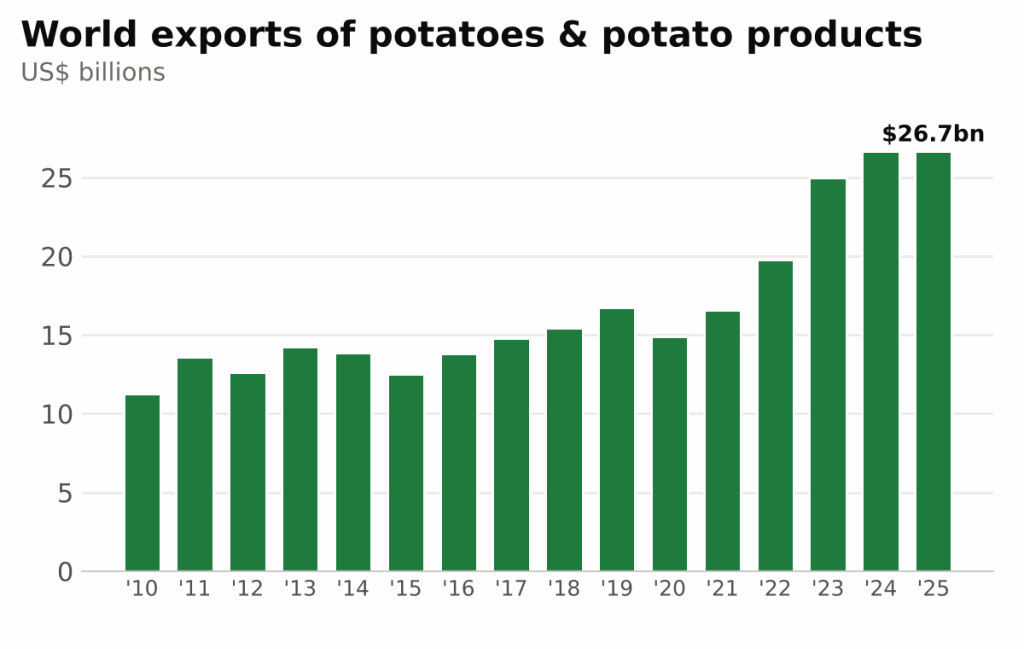
Trade, production, policy and regulationAs readers of World Potato Markets know, global potato production and trade has reached record levels in recent years as the population continues to grow. But markets are changing driven by greater competition, slowing population growth in some regions and rising costs. There have been major production achievements over the last 10 years, according to Maximo Torero, chief economist at the UN’s Food & Agriculture Organisation: “Global potato production between 2007 and 2024 increased by 20%, while the area growing potatoes rise by 12%, meaning that a 36% gain in yield was the driver for that greater output.”
“World hunger has continued to fall with an estimated 645 million people or 7.8% of the global population facing hunger 2025. That was down from 8.6% in 2022 and 8.1% in 2024. Almost half the world’s most hungry – 309 million – are in Africa, representing 20% of the continent’s population. The outlook for 2030 is for there to be 510 million to 520 million people in hunger, with 56% of them in Africa.” A reducing number of hungry people is not a given. Rising food costs and costs of food production have intensified this year after conflict in the Middle East. Meanwhile, climate change is also having an impact. Perhaps one positive of this year’s uncertainty is a greater focus on food security amongst governments, as emphasised by Kenya’s Minister of Agriculture Mutahi Kagwe at the Congress. The high yield of potatoes and their ability to be grown in a large varieties of climates and conditions means they are in a good position to help countries become more food secure. Potato trade is still very much dominated by Europe and North America, which punch above their weight in terms of production and share of population. But they are also the only two continents where the increase in population since 2000 has been greater than the increase in potato production.
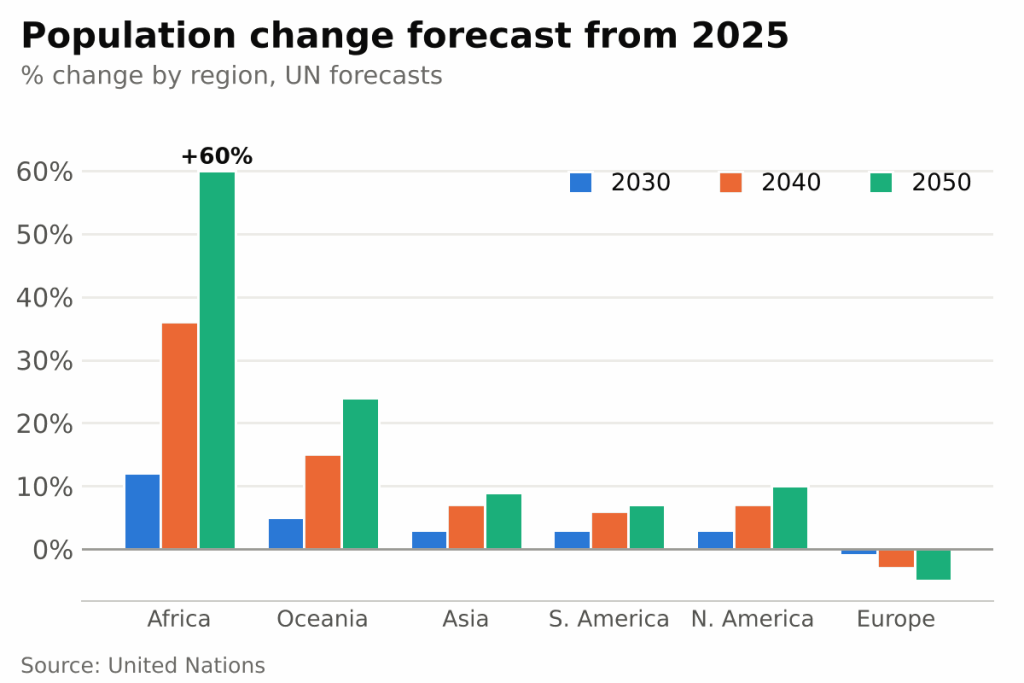
There have been trade gains made by countries outside Europe and North America – most notably by China, India and Egypt, but Africa still lags behind despite the enormous potential of the country. That is highlighted in UN population forecasts. They show that that Africa’s population is forecast to increase by 12% from 2025 to 2030, 36% by 2040 and 60% by 2050. Oceania (the smallest continent by population) is due to grow 5% from 2025 to 2030, 15% by 2040 and 24% by 2050. The Asian population is expected to increase by 3% between 2025 and 2030, 7% by 2040 and 9% by 2050. South America’s population growth forecast is 3% between 2025 and 2030, 6% by 2040 and 7% by 2050. North American population growth forecast is only 3% between 2025 and 2030, 7% by 2040 and 10% by 2050. Meanwhile, the European population is expected to shrink by 1% between 2025 and 2030, 3% by 2040 and 5% by 2050.
Variety development and production
Perhaps the most prominent theme of the whole Congress was the need for improved seed and varieties. The potential for improved yields is massive. According to the FAO, in 2024 the average world potato yield was 22.9 tonnes/hectare. Africa’s was only 15.4t/ha, with Kenya’s at 9.6t/ha. South American yields averaged 20.4t/ha, Asia 22.2t/ha, Europe 25.2t/ha (although major producing countries such as Germany, France, Netherlands, Belgium and UK regularly top 40t/ha). North American yields averaged 48.2t/ha in 2024 with Oceania at 42.7t/ha – New Zealand topped the global yield league at 51.3t/ha. A challenge for production throughout Africa is the lack of funds to use clean seed. Most production is from farm-saved seed that can encourage virus, with short rotations and lack of variety diversity exacerbating disease and yield problems. More than 70% of Kenyan potato production is of the Shangi variety.
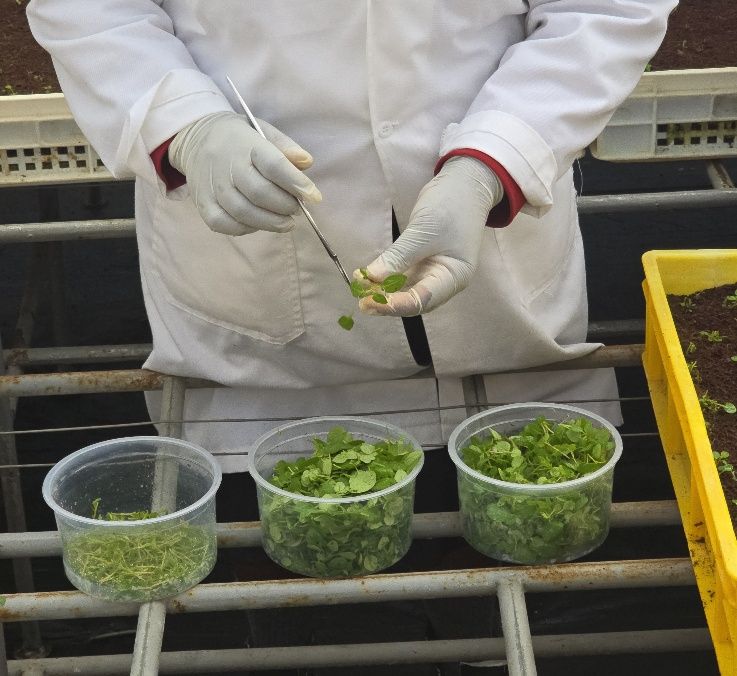
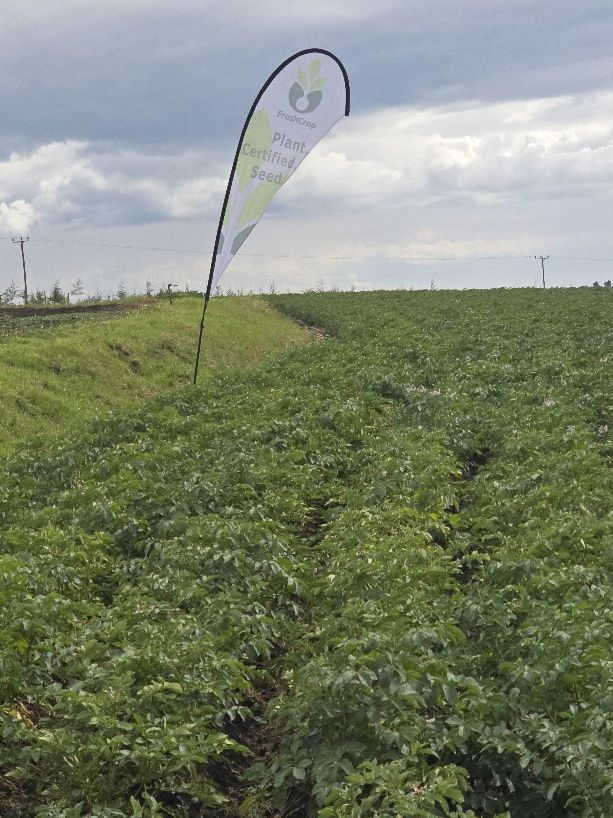
One technology that is starting to transform potato yield and quality in Kenya and other parts of Africa is Rooted Apical Cutting (RAC). It involves growing virus-free tissue-cultured plantlets from which top shoot transplants are made which can be planted to traditional potato seeds or minitubers. Seed from cuttings is then planted. The technique has been pioneered by the International Potato Centre (CIP) and its office in Kenya. Dr. Monica Parker, a consultant with CIP for more than 13 years and leading exponent of RAC, and Dr. Dinah Borus, who worked with CIP until last year and now provides on-farm assistance for variety development for the National Potato Council of Kenya, explained that the technology is transforming production for growers, providing an income for seed growers and much higher yields of quality potatoes for ware or fresh potato growers. The Congress included visits to seed development laboratories, among them flower growing and breeding company Stokman Rozen. The event was supported by Kenyan seed breeding companies such as Kevian, Kisima and FreshCrop. There was also a presence from international seed companies, many of whom partner local companies, such as HZPC, IPM, Meijer, EUROPLANT and Ohalo. The Congress coincided with a farmer’s field day organised by FreshCrop. It saw 3 000 mainly Kenyan visitors experience trial plots, exhibits and machinery demonstrations. FreshCrop was established in 2019 by Chris and Ashley Gaspari (pictured) on just two hectares of land. The company now works with a network of 15 000 smallholder farmers providing breeding, tissue culture, mini-tuber production, seed multiplication, commercial potato growing, and agronomic training. Earlier this year the company invested in a fresh fry processing line and now employs 100 full-time staff and 500 casuals. The Congress heard from Dr. Hannele Lindqvist-Kreuz of CIP on how breeding technology is helping produce bio-fortified potatoes for human health, including iron-fortified varieties. The emergence of hybrid varieties over the coming year also has the potential to revolutionise production. Potato management pre- and post-harvest
Many countries are ideally suited for potato production in terms of enough rain, warmth and sunshine. Kenya’s potato production is focused on the Highlands of the country where average rainfall is 750mm a year, with some areas receiving much more. That is more than many parts of Europe. In many cases the conditions allow for two crops a year, an advantage over many other parts of the world. However, storability of many types is short at a maximum of six weeks. That limits when stocks can be sold and increases the risk of an oversupply and collapse in value when potatoes come to the market. Before harvest, potatoes in Africa face the same threats as in other parts of the world, including late blight and Potato Cyst Nematodes. Maxime Bonnave of CARAH in Belgium explained how the increasing use of a decision support system called VigiMAP for late blight management is not only helping growers in his home country, but increasingly in China, Bangladesh, Rwanda, the Democratic Republic of the Congo, Mali, Guinea, and Kazakhstan. The challenge of better storage was firmly on the Congress agenda. In the Northern Hemisphere, large investment in sophisticated stores, system and sprout management mean that potatoes can be stored for up to a year and even beyond, extending the opportunities to sell throughout the season. It also allows processors and packers to know they will have stocks throughout the year to sell. That is not the case in many parts of the global south. Collaboration between growers to allow investment in stores is increasing across the world, with Yogesh Dahiya, managing director of Natural Storage Solutions in India explaining how his affordable and versatile equipment and systems have helped drive efficient, cost-effective, and sustainable post-harvest solutions, helping reduce post-harvest losses and strengthen supply chain performance across diverse markets. Medhanie Mehari Arefe of the National Agricultural Research Institute of Eritrea (NARI) showed how an integrated approach using improved varieties, better agronomic practices, and farmer training has helped increase national yields from 13 tonnes a hectare to 16t/ha as well as reducing post-harvest losses. Potato technology & innovationThe use of technology is transforming potato production across the world, but it has to be appropriate for the conditions and constraints of where it is used. In many potato events in Europe and North America machinery costing hundreds of thousands or even millions of dollars or euros is on display. While there are some large machines in Africa, a lot of production is still carried out by smallholder farms where hand tools dominate. But as farms consolidate investment in technology is increasing, particularly among co-operative operations.
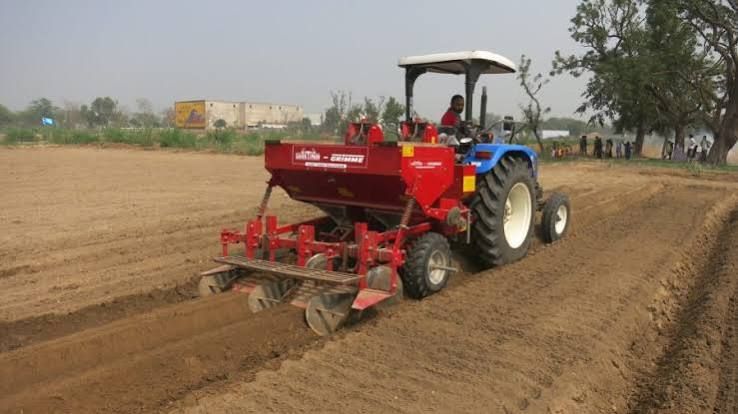
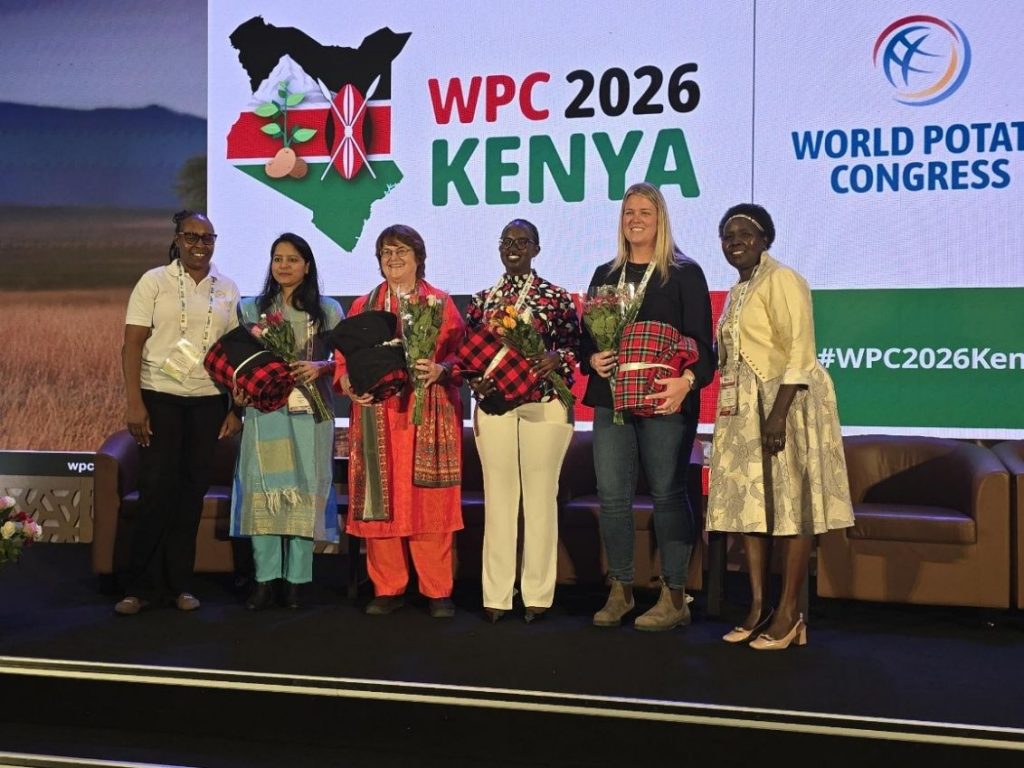
Grimme is one of the world’s leading manufacturers of potato planting and harvesting machinery. It has been active in the African market for more than 30 years. Seven years ago, it established a 50:50 joint-venture with Indian manufacturer Shaktiman with an aim of providing smaller root crop machines for tractors with horsepowers of between 45 and 100, made in a new factory in India. This includes soil preparation machines that reduce clods and break up compacted soil, planters, haulm choppers, lifters and loaders. Grimme managing director Franz-Bernd Kruthaup showed how the Shaktiman Grimme windrower lifted potatoes at four kilometres an hour leaving a clean row of potatoes, while an older rival machine could only lift at 2.5km/h with losses of more than 15%. No conference these days is complete without mention of AI. In Kenya, Ingo Hein of the James Hutton Institute in Scotland introduced an integrated research programme using big data, pan-genomes and artificial intelligence to accelerate potato genetic improvement. The partnership combines CIP, the James Hutton Institute, Egerton University and the Kenya Agricultural & Livestock Research Organisation (KALRO). Its four workstreams cover genotype-to-phenotype prediction, AI-guided gene editing, data infrastructure and capacity, and impact evaluation. Early results show high predictive accuracy for late blight disease score and tuber appearance, although machine-learning advantages vary by trait. The team is now benchmarking and validating models, with the aim of rolling them out for practical use by growers. Water management is key to good potato growing as evidenced by the drought in Europe this year that saw yields plunge on farms that were unable to irrigate, despite a very wet winter last year. Potatoes can be grown in some of the driest countries on earth – Egypt is officially the driest country on earth and using irrigation it is able to grow up to eight million tonnes of potatoes a year. Dr. Abdulelah A. Al-Faraj from the Asharqiyah Development Company in Saudi Arabia explained how investment in drip irrigation has allowed the country to increase its potato production by more than 170% in the last decade to 625 000 tonnes. Kenyan companies are looking to develop their own technology. Fahari Aviation is a subsidiary of national air carrier Kenya Airways. General Manager Hawkins Musili described how agriculture is a key area for drone development in the country allowing growers to identify diseases and other problems, while also applying sprays and fertilisers. Women and youth in the potato industry2026 is the FAO’s International Year of the Woman Farmer so one of the main sessions at the Congress was on improving women’s rights in the potato industry. Globally, 44% of working women are employed in agrifood systems, according to the FAO. That compares to 37% of working men. In 2023, women made up 42% of the global agrifood workforce. However, less than 20% of agricultural landholders or owners globally are women. The charity Oxfam calculates that women farmers often produce 20% to 30% less than men, not because of a lack of hard work or skill but because of less access to land, credit and finance, and technology. In Kenya, women make up 54% of the agricultural workforce and 52% of the workforce in the off-farm agrifood system, which is one of the higher on-farm proportions in the world. In the home of the potato – Peru – 42% of agricultural workers are women and 58% of off-farm agrifood workers. In Italy 26% of those working on farms are women and women make up 41% of off-farm agrifood workers. Meanwhile, in Jordan only 2% of those working on farms are women and 5% of those in off-farm agrifood jobs. Christella Uwase (third from right in photo below) founded Bountiful Farmers in Rwanda three years ago. It already employs eight people breeding and selling high-quality minituber seeds. She called for greater access to finance for women and young ‘agripreneurs’ from government and commercial companies plus more openness from research bodies to employing women. She said that progress should be judged on the amount of power that women have in the food and farming chain.
In 2021, with support from the Government of India, Dr. Pooja Pandey (second from left) established a potato seed hub giving access to Apical Rooted Cuttings for poorer and more marginalised farmers, many of them women. Women get an income by supplying the cuttings with other benefitting from the better quality seed they produce. The scheme is operating in four areas – Haryana, Karnataka, Meghalya and West Bengal. Feedback has included that it allows women flexible working hours, opportunities for families to be involved, improved production at lower cost, including reduced seed miles. Amanda Davidson (second right) described how an acceptance of women in the family business has helped it thrive. WD Potato was established in Ontario, Canada in the 1960s by Amanda’s grandfather Walter after he emigrated from England. His wife played a key role as vice president in the company helping to build it into one of the country’s largest potato storage, processing and logistic companies. Amanda said that visibility of women changes what feels possible in an organisation, while meaningful responsibility builds skills and capability, with difference perspectives helping to improve decision making. InvestmentAccess to finance is key to the continued development of the potato industry around the world. That is particularly true in Africa and other developing markets where the potential is huge but progress is limited by a lack of funding and fears over corruption. At the Congress, Kenyan Minister of Agriculture Mutahi Kagwe stressed the importance of food security and the role that potatoes have to play. The event was supported by the Kenyan Central Bank, but it was perhaps a network of organisations and funders that will have the most impact. They included AGRA (Alliance for a Green Revolution in Africa). Its VP of Programmes Delivery, Prof. Hamadi Boga, said that by taking a four-pronged approach of improved crop productivity; building of resilient and profitable farming systems; strengthening of local, regional, national and global markets and policy support for governments, development of farms is happening. Not-for-profit FIPS (Farm Inputs Promotions) began life in 2003 to provide greater access to improved inputs and practical knowledge. Its strapline is Small Farms, Big Futures. It supports 2.2 million small farmers across Africa, half of them in Kenya with the aim of reaching 5.5 million by 2030. FIPS believes that smallholder farmers can drive national food security, rural prosperity, and climate resilience when the right systems are in place. Founded at a similar time to FIPs, Agricord is an international agency based in Brussels that provides technical assistance in:
The nutritious value, efficient use of inputs and water, and cash crop value of the potato means that the Irish government supports projects in Ethiopia, Malawi, Eritrea, Tanzania, Uganda, Mozambique, and Kenya through the Irish Potato Coalition. The project is operated by Irish NGO Vita with technical support from Teagasc, Ireland’s agricultural research organisation. The decision by governments to cut aid budgets, including massive cuts by the current US administration plus many in Europe, including the UK, is having a detrimental impact on the development of the potato industry in Africa and threatening food security, delegates said at the Congress. Although finance and support is important to the African potato industry, perhaps its future lies in the micro-entrepreneurship displayed by millions of farmers and others. One Nigerian farmer told World Potato Markets that she sells large bags of potatoes grown on her farm via Facebook Marketplace to customers in Lagos, a four-hours drive away, delivering them via the system of small minibus vans that are commonplace across Africa taking passengers and goods. Another said that she was looking to export potatoes from her farm near the Kenyan port of Mombassa, something she already does with other vegetables and fruit. The ability to build small businesses that can grow is probably as great in Africa as anywhere. Investment in mobile phone systems means that cell and internet coverage is often better than in many parts of Europe. This has allowed for growers to follow markets, sell to more markets and make quick digital transactions. The rapid urbanisation of the continent is also creating demand for food that is processed or grown further away and brought into cities. SustainabilitySomewhat surprisingly, this was the first World Potato Congress to have specific sessions on sustainability – environmental and economic. A workshop run by the US Potato Sustainability Alliance asked delegates to list the sustainability issues and opportunities in their parts of the world. There were common themes including water availability and management, soil protection and carbon emission mitigation, but there were also different approaches and seriousness with which the issues are taken: Europe taking a much more prescriptive approach to what chemical inputs could be used; economic sustainability the most important element in Africa. In the main Congress session on sustainability, improving potato yields was discussed as the main way of reducing the environmental impact of the crop. That can also spare land for nature conservation and protection. The Congress was also supported by a significant number of bio crop protection companies including Andermatt, Biopreparáty, Koppert and Russell IPM. However, André Labuschagne of sponsor Syngenta, said that the use of the latest chemical crop protection products ensure that crops are protected and fulfil their full potential. He also gave the example where the latest products use as little as 0.2% of the active ingredient per hectare as their older alternatives. Congress research partnershipRecognising the global potato challenges increased pests and diseases; climate change, water pressure, sustainable production; access to quality and fragmented research, the World Potato Congress used the Kenyan event to announce the formation of the International Potato Partnership as a central point for potato research and development. Central to the idea is the Potato Research Collaboration Hub, which is intended to be an active network where researchers can connect and discuss solutions to common challenges, rather than a library of research papers. There will be a focus on four main areas: diploid breeding; sustainability; marketing and Apical Root Cutting. Launching the partnership, Dr. Nigel Crump, Congress board member, General Manager and Principal Plant Pathologist: Australian Seed Potato Industry Certification Authority (AuSPICA) and host of the 12th congress said: “We have already seen big strides made when there is greater co-operation, including the EuroBlight programme that has given a greater understanding and improved control of one of the most damaging potato diseases. Collaboration is a force multiplier. It leads to faster progress, greater impact and stronger partnerships.” Spreading the potato love
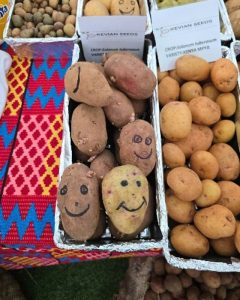
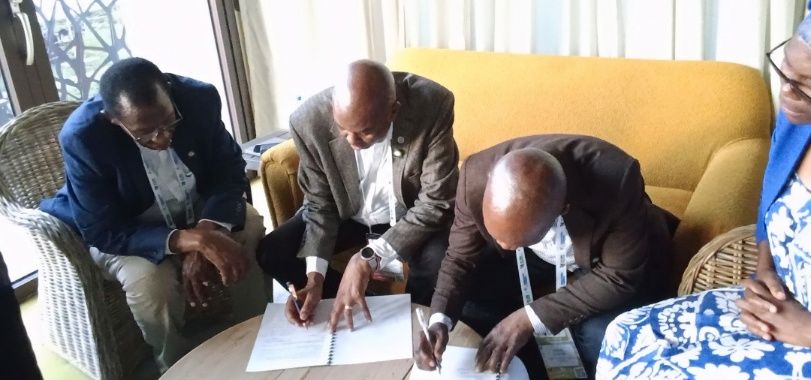
Researchers, breeders, growers, advisers, suppliers, packers, processors and retailers are all vital members of the potato supply chain, but none of them are the most important. The most important are the consumers. Without them the potato industry is nothing. Promoting the many attributes of the potato was the focus of a marketing workshop at the Congress with its nutritional and sustainable good news stories highlighted. There was a fun element to Jamey Higham’s presentation to the Congress. He is the President & CEO of the Idaho Potato Commission. He explained that a slightly cheeky approach to selling the potato rather than an over worthy one pays off. Following a survey that found 90% of Americans found the scent of French fries irresistible, the commission launched in new fry scented perfume called Frites in time for Valentines Day 2022 called Frites by Idaho. It cost US$1.89 for a 1.7 ounce bottle – the same as a side of fries and sold out immediately. It gained about a billion social media impressions and extensive news outlet coverage. It was followed by Burlap potato sack fashion show in Grand Central Station at this year’s New York Fashion Week. Called The Haute Potato Collection and designed by Idaho native Cartier Dior Eliasen, the show was inspired by a photo of Marilyn Monroe photographed in a potato sack 75 years ago, as she would look good in anything! International Day of PotatoThe Congress saw the unveiling of the theme for the 2027 International Day of Potato. The UN granted the accolade for an annual day in time for the first celebration on May 30, 2024. The date was chosen as it was already Peru’s national potato day and the event came about after lobbying from the World Potato Congress. The theme for 2027 is Roots of resilience: Potatoes in a changing climate. Potatoes USA is encouraging people to potato gatherings on the day where people are invited to share their love of the potato by bringing their favourite potato dishes and sharing it with their friends, family and community. World Potato Markets’s Spuddy BuddyThe Congress was the third featuring World Potato Markets’s Spuddy Buddy or Spud Bud. This year they were a smiley Shangi potato. Irish and Australian cousins of Spud Bud inspired this year’s Kenyan Potato Mascot, according to the committee! There were more than 170 photos taken with Spud Bud and they can be found here: https://photos.app.goo.gl/6tdNYXczZopncXh69 If you are not there – please send a pic of your own version of spud bud so you too can be immortalised in the Spud Bud Hall of Fame. Kenya & Tanzania Seed agreement signed at the CongressThe World Potato Congress saw the signing of a five-year agreement by the Potato Council of Tanzania and the National Potato Council of Kenya to strengthen seed supply, research and regional trade, targeting bottlenecks that constrain East Africa’s potato industry. The memorandum of understanding establishes a framework linking seed producers, farmer organisations, researchers, service providers and buyers. “Let us not allow the agreements we have signed here today to gather dust. Let us put them into action,” said Dr Kimani Rugendo, NPCK chairman. The partnership rests on four pillars:
Seed availability is a pressing commercial opportunity. KALRO director general Dr Patrick Ketiem estimated Kenya’s annual certified seed demand at 150 000 tonnes in August 2026, against production of approximately 24 000 tonnes. In Tanzania, certified potato seed meets about 2% of demand. “Countries that have developed strong potato industries have invested in better seed, improved varieties, mechanisation, storage and research,” said NPCK chief executive Wachira Kaguongo. “Beyond the benefits to our two countries, this agreement carries a message for the whole continent: Africa’s national potato bodies should work together and speak with one voice, to win a bigger share of global potato trade, build reliable regional seed systems, grow processing and improve the livelihoods of smallholder farming families across the continent,” said both parties in a statement. Rooted apical cuttings and locally-produced seed tubers under recognised quality-assurance systems offer routes to expand supply. Investment must also connect farmers with buyers, affordable distribution and appropriate storage to translate improved production into stronger returns. The councils will agree annual implementation plans specifying activities, timelines, responsibilities and resources, appoint focal people and review progress at least annually. They plan to begin preparing their first joint work plan in November 2026, supported through cost-sharing and potential development partner and investor contributions. The Tanzania National Bureau of Statistics reports production 1.41 million tonnes of potatoes and an average yield of 9.9 tonnes per hectare in the 2024/25 agricultural year. Kenya is estimated to have produced 2.15 million tonnes of potatoes in 2025. |
|||||||
|







 13th WORLD POTATO CONGRESS
KENYA: 26-30 OCTOBER 2026
Visit the WPC 2026 website: wpc2026kenya.com

Find more information on our
Current Partners
and how to
Become a WPC Sustaining Partner
Thank you
to our
WORLD POTATO CONGRESS SUSTAINING PARTNERS
for their on-going support of our initiatives
"Around the Globe" - Sponsorship and Networking Success Stories
Latest News
Potato farmers in Nyandarua (Kenya) have approved regulations for Irish potatoes production, handling and marketing. They expressed reservations, however, about some sections of the regulations contained in the Crops Act,…
The role that potatoes can play in improving the lives and health of the world’s population was a major theme of the tenth World Potato Congress held at the origin…
On Tuesday, May 29, 2018, during the 10th World Potato Congress in Cusco, Peru, an Industry Award Ceremony was held to recognize three remarkable individuals who have devoted their life’s…
Romain Cools, President of the World Potato Congress Inc. is extremely pleased to welcome Kroeker Farms Ltd. as our newest Silver Sustaining Partner. President Cools stated: “World Potato Congress is…
Romain Cools, President of the World Potato Congress Inc. is very pleased to welcome Potatoes New Brunswick as our newest Silver Sustaining Partner. President Cools stated: “The work of World…
Ireland has won the bid to host the 2021 World Potato Congress, a triennial event in support of the global potato industry. This year the congress will take place in…
Minister without Portfolio in the Ministry of Industry, Commerce, Agriculture and Fisheries of Jamaica, Hon. J.C. Hutchinson says he is anticipating that Jamaica will achieve its goal of 100 per…
- « Previous
- 1
- …
- 16
- 17
- 18